What Does Delivery Exception Mean? Causes, Timelines & How to Fix It (2026)
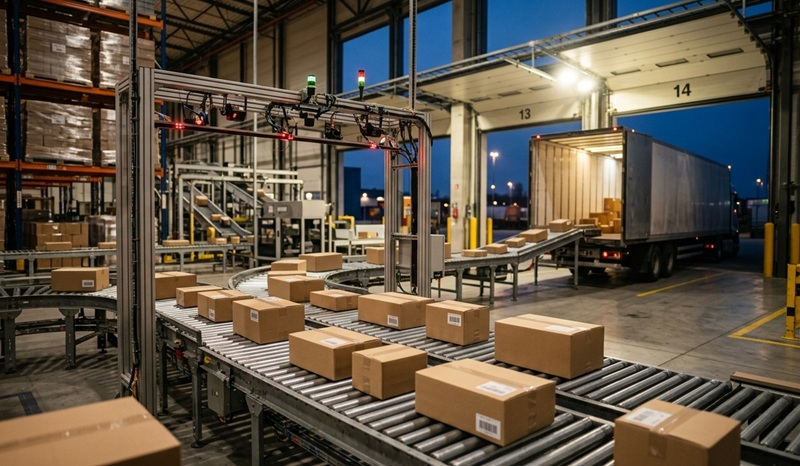
A delivery exception means your package's normal delivery process was interrupted by something the carrier didn't expect — a wrong address, bad weather, a customs hold, a missed signature, or a handful of other common issues. It does not mean your package is lost. In most cases, the carrier resolves the problem and delivery continues, often within 24 to 72 hours.
This guide breaks down exactly what triggers a delivery exception on USPS, UPS, FedEx, and DHL, how long each type typically takes to clear, and the specific steps you should take depending on what your tracking page says.
What Does Delivery Exception Mean?
A delivery exception is a tracking status carriers use when a shipment deviates from its expected transit route or delivery timeline. It's an alert, not a failure notice. When a carrier's system detects that a package can't proceed through its normal next step — whether that's a scan at a sorting hub, a delivery attempt, or customs clearance — it flags the shipment with an exception status and (usually) a short explanation of why.
FedEx describes it plainly on its own support page: a delivery exception means your package is temporarily delayed due to unavoidable circumstances, and it doesn't necessarily mean your shipment will arrive late.
UPS handles it similarly — when an exception occurs, the reason appears in the Shipment Progress section of the Tracking Detail page, and if the delivery date changes, the tracking status updates to reflect the new estimate.
Delivery exception and shipment exception are the same thing. Carriers and shipping platforms use both terms interchangeably to describe an unexpected event that delays a package while it's en route.
Is a Delivery Exception the Same as a Lost Package?
No. This is the single most important distinction to understand. A delivery exception means the package is still inside the carrier's tracking system — it has a known location and a known reason for the delay. A lost package, by contrast, has no tracking scans for an extended period (typically 7 or more days) and the carrier cannot locate it even after an internal search.
| Delivery Exception | Lost Package |
|---|---|
| Package is inside the carrier's network | Package cannot be located in the network |
| A specific cause is usually listed | No scans and no explanation for 7+ days |
| Resolves in most cases within 24–72 hours (domestic) | Requires a formal carrier claim to resolve |
| Delivery typically continues automatically | May result in a refund or replacement, not delivery |
7 Most Common Causes of Delivery Exceptions
Delivery exceptions fall into a fairly small number of recurring categories. Understanding which one applies to your package tells you what to expect next and whether you need to take action.
1. Incorrect or Incomplete Address
A missing apartment number, a typo in the street number, an outdated address, or a ZIP code that doesn't match the city can all trigger an exception. Carriers may attempt to verify the correct address automatically, but if they can't, the package is held or returned to sender.
What to do: Contact the carrier immediately with the correct address. Many carriers allow an in-transit address correction for a small fee.
2. Severe Weather or Natural Disasters
Snowstorms, hurricanes, flooding, and wildfires can shut down roads, airports, and sorting facilities. Carriers often reroute shipments around affected areas, which is why a weather-related exception doesn't always translate into a late delivery.
What to do: Nothing is required on your end. Check the carrier's service alerts page for regional disruption updates.
3. Recipient Unavailable for Signature
High-value items, age-restricted goods, and anything the sender flagged for signature confirmation require someone to be present at delivery. If no one answers, the carrier logs a failed attempt and usually tries again — most carriers allow two to three attempts before returning the package.
What to do: Use the carrier's app or website to reschedule delivery, authorize a signature release, or redirect the package to a pickup location.
4. Customs Delays (International Shipments Only)
Missing customs declarations, mismatched declared values, unpaid duties, or items requiring an import permit can all hold a package at the border. This is one of the slower exception types to resolve — often 3 to 10 business days, and longer for complex cases.
What to do: Watch for a carrier email or letter requesting documentation, respond promptly, and pay any duties owed. For a full breakdown of customs timelines by country, see TrackPkgs' guide to packages stuck in customs.
5. Damaged or Unreadable Label
If a barcode is smudged, torn, or covered by tape, the carrier's automated sorting equipment can't process the package normally, forcing a manual review.
What to do: This usually resolves on its own within 24–48 hours as the carrier manually re-sorts the item. No action needed unless it persists longer.
6. Peak Season or High Volume
During major shopping events and holidays, sorting facilities can be overwhelmed with volume, pushing packages into a queue. This typically adds 2–5 days beyond the original estimate.
7. Mechanical or Transportation Issues
Vehicle breakdowns, missed flight connections, or sorting equipment malfunctions can all trigger a delivery exception. These are usually resolved once the shipment is rerouted to the next available transport, typically within 12–48 hours.
Delivery Exception Timelines: How Long Does It Actually Take?
Resolution time depends heavily on the cause. Here's a realistic breakdown based on how carriers typically handle each scenario:
| Cause | Typical Resolution Time | Action Needed? |
|---|---|---|
| Weather delay | 1–5 days | No — wait for conditions to clear |
| Incorrect address | 24–48 hours (if corrected promptly) | Yes — contact carrier |
| Recipient unavailable | 1–3 business days | Yes — reschedule or redirect |
| Customs hold | 3–10 business days (can extend further) | Yes — respond to documentation requests |
| Damaged/unreadable label | 24–48 hours | Usually none |
| Peak season congestion | 2–5 days | No |
| Mechanical/transport issue | 12–48 hours | No |
As a general rule of thumb, most domestic delivery exceptions clear within 24 to 72 hours, while international shipments involving customs can take a week or more.
Delivery Exception by Carrier: USPS, UPS, FedEx, and DHL
Each major carrier phrases exceptions slightly differently and offers different tools for resolving them.
| Carrier | How It's Labeled | Self-Service Tool |
|---|---|---|
| USPS | "Delivery exception," often tied to holidays or address issues | Informed Delivery — shows daily scan activity so you can spot problems early |
| UPS | Reason noted directly in Shipment Progress detail | UPS My Choice — proactive alerts and rescheduling before a failed attempt |
| FedEx | "Delivery exception" with a stated cause (weather, access, etc.) | FedEx Delivery Manager — reroute or reschedule mid-transit |
| DHL | "Exception" often tied to customs or local handoff | On Demand Delivery — redirect internationally in supported markets |
You can check the live status of your own shipment directly using TrackPkgs' carrier-specific tracking pages for USPS, UPS, FedEx, DHL Express, Amazon Logistics, and Canada Post, along with over 1,000 other couriers worldwide.
What to Do When You See a Delivery Exception
- Read the exact wording on the tracking page. Carriers almost always list a specific reason — address issue, weather, customs, access problem — right next to the exception status.
- Check whether action is required. If the status says something like "action required" or asks for documentation or payment, complete that step as soon as possible; the delay won't resolve on its own.
- Give it 24–72 hours before escalating. Most exceptions resolve automatically within this window.
- Contact the carrier directly if the status hasn't changed after 72 hours. Have your tracking number ready and ask specifically what's needed to release the package.
- Contact the seller or retailer if the delay exceeds 7 days (domestic) or 14 days (international). At that point, you may be entitled to a refund or replacement depending on the retailer's shipping policy.
When a Delivery Exception Means Something More Serious
Not every exception is minor. Watch for these warning signs that the situation needs faster escalation:
- The status hasn't changed in more than 5–7 days with no new scan activity.
- The tracking page explicitly says "Return to Sender" or "Undeliverable."
- You've contacted the carrier multiple times and received conflicting information.
- The package shows damage-related language and you're concerned about the contents.
- The delivery date has passed by more than a week for a domestic shipment.
In any of these cases, escalate directly with the carrier's support team and, if the item was purchased online, notify the retailer so they can open a claim in parallel.
How to Prevent Delivery Exceptions on Your Own Shipments
If you're a seller or frequently ship packages yourself, a few habits meaningfully cut down on exception rates:
- Double-check the address before printing a label — confirm unit numbers, ZIP codes, and spelling.
- Use weather-resistant labels and secure them flat, without folding over box edges.
- Complete customs paperwork fully for international shipments, including accurate item descriptions and HS codes rather than vague terms like "gift."
- Ship a few days earlier than usual around major holidays and peak shopping periods.
- Provide delivery instructions (gate codes, safe drop locations) when signature confirmation isn't required.
Frequently Asked Questions
What does delivery exception mean on tracking?
It means a carrier could not complete a scheduled delivery or transit step because of an unexpected issue — commonly a wrong address, weather, a customs hold, or a missed signature. It's a temporary status, not a lost-package notice.
Does delivery exception mean my package is lost?
No. The package is still tracked within the carrier's network. A package is only considered lost when there are no scans for 7 or more days and the carrier's investigation can't locate it.
How long does it take for a delivery exception to resolve?
Most domestic exceptions resolve in 24 to 72 hours. Customs-related exceptions on international shipments typically take 3 to 10 business days, sometimes longer for complex cases.
Will my package still arrive if it shows a delivery exception?
In the large majority of cases, yes. Unless the status explicitly changes to "Return to Sender" or "Undeliverable," the carrier is still actively working to complete the delivery.
What's the difference between a delivery exception and a shipment exception?
They mean the same thing. Carriers use both terms to describe an event that disrupts a package's normal transit or delivery timeline.
Should I contact the carrier or the seller first?
Contact the carrier first if the tracking page requests specific action, like an address correction or a customs payment. Contact the seller if the delay has gone on for more than 7 days with no resolution, or if you need a refund or replacement.
Related Guides
Track Any International Package Now
Universal real-time tracking across 1,000+ couriers and postal networks worldwide. 100% free with no sign-up required.
Track on Universal Tracker